
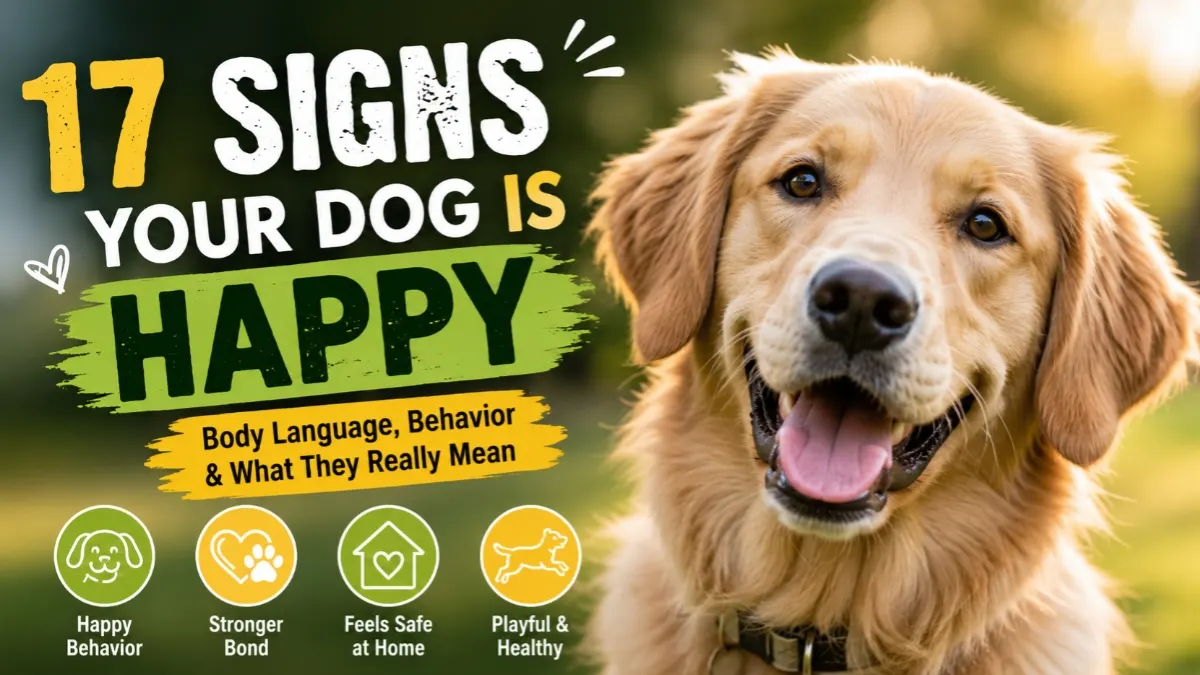

There’s nothing more rewarding than seeing your dog live a happy, healthy, and fulfilling life. If you’ve ever wondered how to tell if your dog is happy, you’re not alone. Many pet parents want to understand the real signs of a happy dog beyond a simple wagging tail. As a pet parent, you’ve probably wondered at some point, “Is my dog really happy?”
Many people assume that a wagging tail automatically means a happy dog. While that can certainly be one sign, canine behavior is much more complex than that. Dogs communicate through their body language, facial expressions, sleeping habits, posture, and everyday behaviors. Learning to understand dog body language can help you recognize whether your dog feels relaxed, confident, and emotionally secure.
Every dog has its own personality, but many signs of comfort, trust, and contentment are surprisingly consistent. By paying close attention to these behaviors, you can build a stronger bond with your companion and recognize when something may need extra attention.
In this guide, we’ll explore 17 science-backed and behavior-based signs that often indicate a happy, relaxed dog. We’ll also point out a few behaviors that could suggest stress or discomfort, so you know when it’s worth speaking with your veterinarian.
Veterinary behaviorists agree that no single behavior can determine a dog’s emotional state. Instead, looking at several happy dog behaviors together provides a much more accurate picture of your dog’s overall well-being.
Dog Body Language: The First Clue to Your Dog’s Happiness
Dogs may not speak our language, but they’re constantly communicating. From the way they hold their ears to the position of their tail, every movement tells part of the story.
Learning to read your dog’s body language is one of the easiest ways to understand how they’re feeling in different situations. This complete guide covers the major signs of a happy dog, helping you recognize healthy behavior and understand your dog’s emotions with confidence.
1. Soft, Relaxed Eyes
One of the clearest signs of a content dog is a relaxed facial expression. Happy dogs usually have soft eyes with relaxed eyelids instead of a fixed, intense stare. Sometimes they may even squint slightly when they’re calm or enjoying your company.
Rather than appearing alert or tense, their entire face looks gentle and comfortable.
When to pay attention
If you frequently notice the whites of your dog’s eyes showing-a behavior often called “whale eye“-it can sometimes indicate fear, anxiety, or discomfort, especially when combined with other stress signals such as a stiff body or tucked tail. One isolated sign doesn’t always mean something is wrong, but it’s worth paying attention to the overall context.
2. A Loose, Wiggly Body
A happy dog rarely looks stiff.
Instead, their body appears loose, balanced, and relaxed while walking or greeting people. Many owners notice what trainers affectionately call the “wiggly butt,” where the dog’s hips, tail, and entire back end move together with excitement.
This loose body language usually reflects confidence and emotional comfort.
A stiff posture may signal something else
If your dog suddenly freezes, holds their body rigid, or stands unusually tense, they may be feeling uncertain, frightened, or overstimulated. Body posture should always be interpreted alongside the surrounding situation.
3. Tilting Their Head When You Speak
Few behaviors are as charming as a dog tilting its head while listening to you.
Although researchers are still studying exactly why dogs do this, many behavior experts believe head tilting helps dogs focus on sounds, facial expressions, or familiar words. It often happens during positive interactions with people they trust.
While not every happy dog tilts its head, many curious and engaged dogs do.
4. A Relaxed Mouth and the Famous “Dog Smile”
Have you ever looked at your dog and thought they were smiling?
A relaxed, happy dog often keeps its mouth slightly open with relaxed lips and a loose tongue. Their face appears soft rather than tense, creating what many owners describe as a “dog smile.”
This expression is commonly seen during playtime, walks, or while resting comfortably with the family.
Relaxed panting vs. heavy panting
Light panting after exercise or on a warm day is completely normal.
However, excessive panting without recent activity-especially if accompanied by restlessness, drooling, or signs of distress-may indicate overheating, anxiety, pain, or another medical issue. If the behavior seems unusual or continues for an extended period, it’s best to consult your veterinarian.
5. Happy Dog Tail Wag: The “Helicopter Tail”
One of the strongest signs of genuine excitement is what’s commonly called the “helicopter tail.”
Instead of moving from side to side, the tail makes wide circular motions while the dog’s entire body wiggles with enthusiasm. Many dogs display this behavior when greeting a favorite family member after they’ve been away or when anticipating something they truly enjoy, like a walk or playtime.
This full-body greeting usually reflects positive emotions and social excitement.
Does tail direction matter?
Some studies suggest that dogs may wag their tails slightly more to the right during positive interactions and more to the left when feeling uncertain. However, tail direction alone shouldn’t be used to judge your dog’s emotional state. It’s simply one behavior that should be considered alongside their overall body language.
6. Gentle Tail Thumps While Resting
Not every happy dog bursts with excitement.
Sometimes the happiest dogs simply lift their head, look at you, and gently tap their tail against the floor a few times before relaxing again.
Those slow, relaxed tail thumps often suggest that your dog feels comfortable, secure, and content in your presence. It’s a quiet expression of affection that many owners overlook because it isn’t as dramatic as an energetic greeting.
Sleeping Positions Can Reveal How Safe Your Dog Feels
Dogs spend a large part of their day sleeping, and their favorite sleeping positions can provide useful clues about how comfortable they feel in their environment.
While no single sleeping position can tell the whole story, certain patterns are commonly seen in relaxed and confident dogs.
7. Sleeping on Their Back With Their Belly Exposed
If your dog regularly sleeps on their back with all four legs in the air, it’s generally a positive sign.
The belly is one of the most vulnerable parts of a dog’s body. Dogs usually expose it only when they feel relaxed and safe in their surroundings.
This position also helps many dogs cool down because their belly has less fur than the rest of their body.
Keep in mind that not every happy dog sleeps this way. Age, breed, weather, and personal preference also influence sleeping positions.
8. Side Sleeping vs. Curling Into a Ball
Side Sleeping
Dogs that sleep comfortably on their side often appear completely relaxed. Their muscles loosen, breathing becomes steady, and they’re more likely to enter deeper stages of sleep.
Many healthy, secure dogs spend part of their sleep in this position.
Curling Into a Ball
The familiar curled-up “donut” position is also perfectly normal.
Dogs may curl up to stay warm, conserve body heat, or simply because it’s comfortable. Some dogs naturally prefer this position regardless of how safe they feel.
However, if a dog suddenly begins sleeping tightly curled while also showing other signs of fear or anxiety, it may be worth paying closer attention to changes in their behavior.
9. Dreaming, Gentle Twitching, and Contented Sighs
Have you ever noticed your dog’s paws moving while they’re asleep?
Many dogs twitch, softly bark, move their legs, or make quiet noises during certain stages of sleep. These movements are generally considered normal and are thought to occur during dreaming.
You may also hear your dog let out a long, relaxed sigh after settling into bed or while resting beside you.
In many cases, these gentle behaviors simply suggest that your dog is comfortable enough to fully relax.
If your dog experiences violent movements, repeated distress, or anything that seems unusual, consult your veterinarian for advice.
Your dog’s sleeping position is only one part of the picture. Combined with relaxed dog body language and other happy dog behaviors, it can help you understand how your dog is feeling.
What These Signs Really Mean
None of these behaviors should be viewed in isolation.
A dog that sleeps on its back, greets you with a helicopter tail, and has soft, relaxed eyes is giving you several positive signals at once. Looking at the overall pattern of your dog’s behavior is much more reliable than focusing on a single action.
10. The Zoomies: Bursts of Pure Excitement
One of the most exciting happy dog behaviors is the famous “zoomies.” Almost every dog owner has witnessed these sudden bursts of energy.
One moment your dog is perfectly calm, and the next they’re sprinting around the house or yard at full speed, making sharp turns and racing in circles.
Animal behaviorists often refer to these bursts of energy as FRAPs (Frenetic Random Activity Periods).
Zoomies commonly happen after a bath, during playtime, after being indoors for a while, or simply when a dog feels excited.
For most healthy dogs, occasional zoomies are completely normal and are often associated with excitement and excess energy.
However, if your dog suddenly develops unusual bursts of frantic behavior accompanied by signs of illness or distress, it’s worth discussing with your veterinarian.
11. They Seek Physical Contact
Many happy dogs naturally enjoy staying close to the people they trust. This is one of the strongest signs of a happy dog and reflects a secure emotional bond.
While every dog’s personality is different, gentle physical contact is often a sign of affection and security.
Placing a Paw on You
When your dog calmly places a paw on your arm, leg, or hand, they may simply be asking for attention or trying to connect with you.
Some dogs also do this when they want petting or reassurance.
Leaning Against You
Large and small dogs alike sometimes lean their body weight against their favorite person.
This relaxed leaning behavior often suggests trust and comfort. Your dog feels safe enough to rest against you without hesitation.
12. A Healthy Interest in Food
A healthy appetite is another important sign of a happy dog. Most happy, healthy dogs look forward to mealtime.
They may wag their tail, eagerly walk toward their food bowl, or patiently wait for their meal.
A consistent appetite is generally considered one sign of overall well-being.
When appetite changes
If your dog suddenly refuses food for more than a day, loses interest in treats, or shows other unusual symptoms such as vomiting, diarrhea, or low energy, it’s important to contact your veterinarian.
Changes in appetite can have many different causes and shouldn’t automatically be linked to emotions alone.
13. The Play Bow
The play bow is one of the clearest invitations to have fun.
Your dog lowers their front legs to the ground while keeping their back end raised, often with a wagging tail and an excited expression.
This body posture tells other dogs-and people-that they’re ready to play.
Many behavior experts consider the play bow a universal canine signal that says,
“Everything I’m about to do is friendly and meant for fun.”
Dogs that frequently invite you to play are often comfortable interacting with you and enjoy spending time together.
14. They Follow You Around the House
Following their owner from room to room is common dog behavior. When it happens without signs of anxiety, it often means your dog enjoys your company and feels safe around you.
Many owners call this “Velcro Dog” behavior.
In many cases, it simply reflects a strong bond between dog and owner. Your dog enjoys your company and feels comfortable being near you.
However, context matters.
If your dog can relax when you’re gone and doesn’t become distressed when left alone, following you is usually nothing to worry about.
If they panic every time you leave, excessive attachment may be related to separation anxiety and deserves closer attention.
15. Bringing You Their Favorite Toy
Some dogs greet their owners by proudly carrying their favorite toy.
Others bring a ball, stuffed animal, or even a random household item.
Rather than simply asking you to throw the toy, many dogs are inviting you to interact with them.
Sharing something they value is often a social behavior that reflects excitement and positive engagement.
16. They’re Calm at Home
A mentally stimulated and emotionally satisfied dog is often able to relax when there’s nothing exciting happening.
That doesn’t mean they’ll never chew, bark, or dig-especially puppies-but dogs that receive enough exercise, training, and enrichment are generally less likely to engage in destructive behaviors caused by boredom or frustration.
If destructive chewing suddenly becomes excessive, consider whether your dog is getting enough physical activity, mental stimulation, or veterinary care.
17. The Excited Welcome Home
Few moments are more heartwarming than coming home to an excited dog.
Some wag their entire body.
Some jump with excitement.
Others run circles around the room while carrying a favorite toy.
This enthusiastic greeting often reflects the strong social bond dogs share with the people they love.
Every dog expresses excitement differently, so don’t worry if your dog greets you quietly instead of bouncing around the house. A gentle tail wag, relaxed body, and happy expression can be just as meaningful.
Looking at the Bigger Picture
No single behavior can tell you exactly how your dog feels.
Instead, pay attention to patterns.
A dog with relaxed body language, healthy eating habits, playful behavior, comfortable sleep, and positive interactions with family members is often showing multiple signs of emotional well-being.
Quick Happiness Checklist
Use this checklist as a simple reference whenever you want to evaluate your dog’s overall well-being.
| Behavior | Common Signs of a Happy Dog | Possible Signs of Stress or Discomfort |
|---|---|---|
| Eyes | Soft, relaxed, gentle expression | Wide eyes, frequent “whale eye,” hard stare |
| Body Posture | Loose, wiggly, relaxed muscles | Stiff body, tense posture, freezing |
| Tail | Relaxed wag, helicopter tail, gentle tail thumps | Tucked tail, rigid high tail, stiff wagging |
| Sleeping | Sleeps comfortably on the side or back | Restless sleep combined with other stress signs |
| Appetite | Eats meals consistently | Sudden loss of appetite or refusing food |
| Play | Enjoys games and play bows | Rarely interested in play |
| Social Behavior | Seeks interaction and enjoys family time | Constant hiding or avoiding interaction |
| Energy | Normal activity with occasional zoomies | Persistent lethargy or unusual behavior changes |
Note: This checklist isn’t a medical tool. It’s simply a helpful way to notice patterns in your dog’s everyday behavior.
When Should You Be Concerned?
Many behaviors discussed in this guide are completely normal on their own.
However, if you notice several of the following changes happening together, it’s a good idea to schedule a veterinary examination:
- Sudden personality changes
- Loss of appetite lasting more than 24 hours
- Excessive panting without exercise or heat
- Constant hiding
- Aggressive behavior that wasn’t present before
- Persistent shaking or trembling
- Difficulty walking or standing
- Sleeping much more than usual along with low energy
Behavior changes are sometimes the earliest sign that a dog isn’t feeling well physically.
Conclusion
Learning how to tell if your dog is happy isn’t about watching for just one behavior. Instead, look at the complete picture. A relaxed body, healthy appetite, playful attitude, comfortable sleeping positions, and positive interactions with family members are all signs of a happy dog.
Every dog has a unique personality, so some behaviors may vary from one dog to another. By understanding your dog’s body language and daily habits, you’ll be better able to recognize both happiness and early signs of stress.
If your dog’s behavior suddenly changes or you’re concerned about their physical or emotional health, consult your veterinarian for professional advice.
A happy dog is built through love, regular exercise, mental stimulation, proper nutrition, and quality time together. The better you understand your dog’s behavior, the stronger your bond will become.
Medical Disclaimer
This article is intended for educational purposes only and should not replace professional veterinary advice, diagnosis, or treatment. If your dog shows sudden behavior changes, signs of illness, or ongoing distress, consult a licensed veterinarian as soon as possible.
References
- American Kennel Club (AKC)
- American Veterinary Medical Association (AVMA)
- Merck Veterinary Manual
- VCA Animal Hospitals
Frequently Asked Questions
How can I tell if my dog is truly happy?
Look for a combination of relaxed body language, soft eyes, healthy appetite, playful behavior, comfortable sleep, and positive interactions with family members. No single behavior provides the complete answer.
Does a wagging tail always mean a happy dog?
No.Dogs wag their tails for many reasons, including excitement, curiosity, nervousness, and uncertainty. Always consider your dog’s entire body language rather than focusing only on the tail.
Do dogs smile when they’re happy?
Many dogs develop a relaxed facial expression with a slightly open mouth and loose lips when they’re calm and comfortable. While this is often described as a “dog smile,” it shouldn’t be interpreted exactly the same way as a human smile.
Why does my happy dog suddenly get the zoomies?
Zoomies are common bursts of energy that many healthy dogs experience after baths, during play, or when they’re feeling especially excited. They’re generally considered normal unless they’re accompanied by signs of illness or distress.
Should I worry if my dog sleeps curled up?
Not necessarily.
Many dogs simply prefer curling up because it’s warm and comfortable. Sleeping position alone isn’t a reliable indicator of emotional health.
Can dogs experience stress even if they seem happy?
Yes.Just like people, dogs can experience temporary stress while still living happy lives overall. That’s why it’s important to look for long-term patterns instead of judging a single moment.